

When winter finally fades and spring arrives, your skin begins to react to the changing weather. The cold, dry air of winter can leave skin feeling rough, dehydrated, and dull. As temperatures rise and humidity levels increase, your skin needs a routine that helps it adjust to the new season.
So what is the perfect spring skincare routine for glowing skin? Where should you start if your skin still looks tired after months of harsh winter weather?
The truth is that spring is the ideal time to refresh your skincare routine. With the right products and a few simple changes, you can help your skin recover, stay hydrated, and achieve a healthy natural glow.
Let’s explore how you can build an easy and effective spring skincare routine that keeps your skin bright, balanced, and protected.
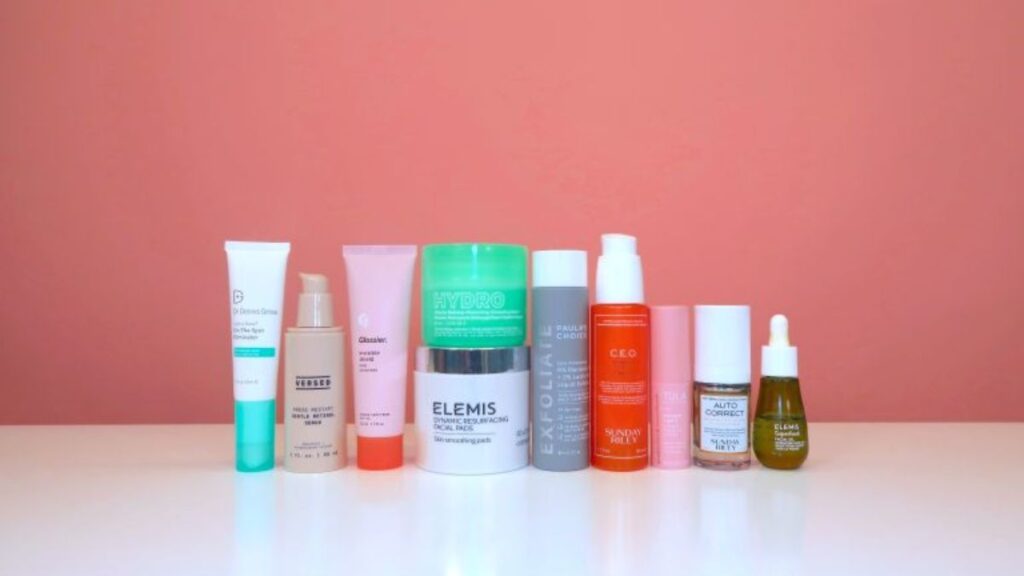
Why Your Skincare Routine Should Change in Spring
Many people follow the same skincare routine throughout the entire year. However, your skin behaves differently depending on the season.
Winter skincare usually focuses on deep hydration and thick creams to fight dryness. In spring, those same products can start feeling too heavy on the skin.
Warmer weather increases oil production, which means heavy moisturizers may clog pores and cause breakouts.
A good spring skincare routine focuses on three important things:
• Maintaining hydration
• Protecting skin from sun damage
• Refreshing dull winter skin
By switching to lighter textures and refreshing ingredients, your skin can adapt better to the warmer season.
Start With a Gentle Cleanser
Cleansing is the foundation of every skincare routine. It removes dirt, oil, sweat, and makeup that build up on the skin throughout the day.
But what type of cleanser works best in spring?
The goal is to keep your skin clean without stripping away its natural moisture barrier. Harsh cleansers can make skin feel tight and irritated.
Instead, choose gentle cleansers with soothing and hydrating ingredients such as:
• Aloe vera
• Glycerin
• Chamomile
• Green tea extract
• Hyaluronic acid
If your skin tends to be oily, a gel cleanser can help control excess oil. If your skin is dry or sensitive, a cream cleanser will help maintain moisture.
Cleansing your face twice daily keeps your skin fresh and prepares it for the rest of your skincare routine.
Exfoliate to Remove Dull Winter Skin
Have you noticed that your skin sometimes looks dull or uneven after winter?
This happens because dead skin cells build up on the surface of the skin. Exfoliation helps remove those cells and reveals fresh, brighter skin underneath.
But how often should you exfoliate?
Experts recommend exfoliating two or three times per week during spring. This is enough to keep your skin smooth without damaging the skin barrier.
Gentle exfoliating ingredients include:
• Lactic acid
• Mandelic acid
• Fruit enzymes
• Salicylic acid for oily skin
These ingredients remove dead skin cells while keeping the skin calm and healthy.
Regular exfoliation also helps other skincare products absorb better, making your routine more effective.
Hydrate Your Skin With Lightweight Serums
Hydration is essential for glowing skin, but heavy creams may feel too thick during warmer months.
This is where hydrating serums become extremely useful.
Serums contain concentrated ingredients that penetrate deeper into the skin. They provide hydration without leaving a greasy layer.
One of the most effective hydrating ingredients is hyaluronic acid. It attracts moisture to the skin and helps keep it plump and smooth.
Other beneficial ingredients include:
• Vitamin B5
• Niacinamide
• Glycerin
• Aloe vera
Applying a hydrating serum after cleansing helps lock in moisture and improve your skin’s overall texture.
Choose a Lightweight Moisturizer
Moisturizing remains an essential step in every season. However, spring is the perfect time to switch from thick creams to lighter formulas.
A good spring moisturizer should hydrate the skin without clogging pores.
Look for ingredients such as:
• Ceramides
• Squalane
• Hyaluronic acid
• Green tea extract
Gel moisturizers are particularly popular during spring because they absorb quickly and feel light on the skin.
People with dry skin can still use cream moisturizers, but they should choose lighter formulas designed for warmer weather.
Never Skip Sunscreen
One of the most important steps in a spring skincare routine is sunscreen.
Many people believe sunscreen is only necessary during summer. But harmful UV rays are present all year round, including during spring.
Daily sunscreen use protects your skin from:
• Premature aging
• Sunburn
• Dark spots
• Skin cancer
Choose a broad-spectrum sunscreen with SPF 30 or higher and apply it every morning after moisturizing.
Lightweight sunscreen formulas are perfect for spring because they absorb quickly and do not leave a heavy feeling on the skin.
Add Antioxidants to Boost Skin Health
Spring is also a great time to introduce antioxidant products into your skincare routine.
Antioxidants help protect your skin from environmental stress such as pollution and UV damage.
One of the most popular antioxidants in skincare is Vitamin C.
Vitamin C helps:
• Brighten dull skin
• Improve skin tone
• Reduce dark spots
• Boost collagen production
Using a Vitamin C serum in the morning can make your skin appear brighter and healthier over time.
Refresh Your Nighttime Routine
Your nighttime routine plays an important role in maintaining healthy skin.
During sleep, your skin repairs itself and regenerates new cells. A simple nighttime routine supports this natural process.
An effective evening routine may include:
• Gentle cleanser
• Hydrating serum
• Treatment serum
• Moisturizer
Some people also add ingredients such as retinol or peptides to improve skin texture and reduce signs of aging.
Consistency is key when it comes to nighttime skincare.
Healthy Habits That Support Glowing Skin
Skincare products work best when combined with healthy lifestyle habits.
Simple daily habits can significantly improve your skin’s appearance.
Helpful habits include:
• Drinking enough water
• Eating fruits and vegetables
• Sleeping at least 7–8 hours
• Managing stress levels
• Limiting processed foods
Foods rich in antioxidants, such as berries and leafy greens, help nourish your skin from within.
Common Spring Skincare Mistakes
When changing skincare routines for spring, some people make mistakes that can affect their skin.
Common mistakes include:
Using heavy winter moisturizers in warm weather
Skipping sunscreen on cloudy days
Over-exfoliating the skin
Trying too many new products at once
Ignoring hydration
Making small, gradual adjustments helps your skin adapt smoothly to the seasonal change.
Final Thoughts
Spring is the perfect season to refresh your skincare routine and give your skin a healthy glow.
By using gentle cleansers, lightweight moisturizers, hydrating serums, and daily sunscreen, you can protect your skin while keeping it soft and radiant.
Ask yourself simple questions like what does my skin need today or where can I improve my routine. These small reflections can help you build a skincare routine that truly works for you.
Healthy skin comes from consistency, patience, and choosing the right products for your skin type.
With the right routine, your skin can look fresh, balanced, and glowing all spring long.
Frequently Asked Questions
1. What is the best skincare routine for spring?
A good spring skincare routine includes a gentle cleanser, lightweight moisturizer, hydrating serum, sunscreen, and occasional exfoliation.
2. Why should skincare routines change during spring?
Spring weather increases humidity and oil production, so lighter products help prevent clogged pores and breakouts.
3. How often should you exfoliate in spring?
Exfoliating two to three times per week helps remove dead skin cells without damaging the skin barrier.
4. What ingredients are best for spring skincare?
Hyaluronic acid, niacinamide, aloe vera, vitamin C, and ceramides are great ingredients for spring skincare routines.
5. Is sunscreen necessary during spring?
Yes, sunscreen is essential year-round because UV rays can damage the skin even on cloudy days.
6. What moisturizer works best in spring?
Lightweight gel or water-based moisturizers work best because they hydrate without feeling heavy.
7. Can I still use retinol during spring?
Yes, but always use sunscreen during the day because retinol can make skin more sensitive to sunlight.
8. Where should vitamin C be used in a skincare routine?
Vitamin C is usually applied in the morning after cleansing and before moisturizing.
9. What causes dull skin after winter?
Dead skin buildup, dehydration, and lack of exfoliation often cause dull winter skin.
10. How long does it take to see results from a new skincare routine?
Most people start noticing improvements in their skin within four to six weeks.