

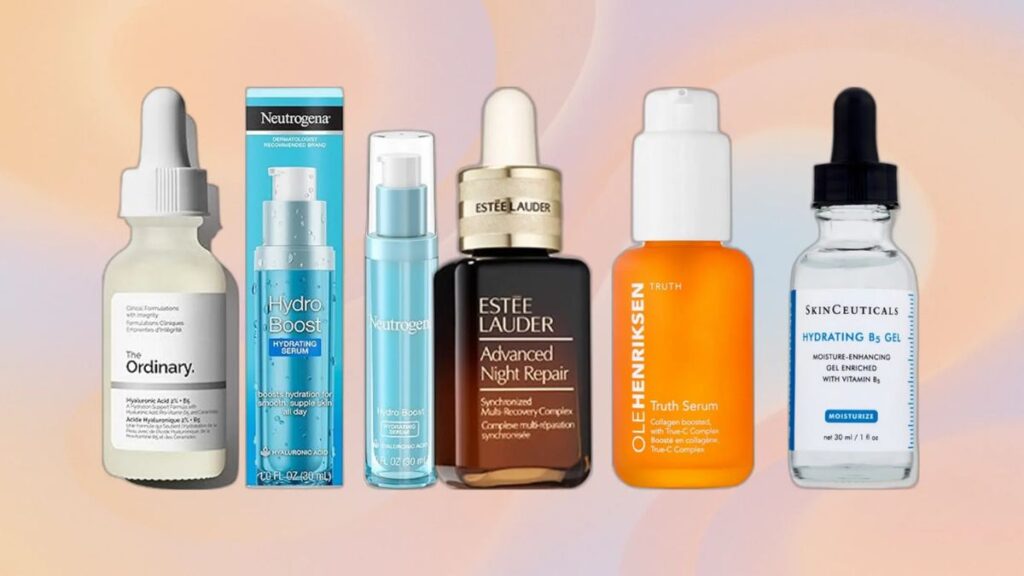
Dry skin can be frustrating to deal with. It often feels tight, rough, and uncomfortable, especially when the weather changes. Many people struggle with dryness during seasonal transitions, and using the wrong skincare products can make the problem worse.
So what are the best hydrating face serums for dry skin in 2026? And where should you start if your skin constantly feels dehydrated no matter how much moisturizer you apply?
The truth is that moisturizers alone may not provide enough hydration. This is where face serums play an important role in skincare routines. Hydrating serums contain powerful ingredients that penetrate deeper into the skin and help restore moisture from within.
In this guide, we’ll explore the best hydrating face serums, the ingredients that truly work, and how you can choose the right one for your skin.
Why Hydrating Serums Are Important for Dry Skin
Many people assume that thick moisturizers are the only solution for dry skin. While moisturizers are important, they mainly work by sealing moisture on the surface of the skin.
Hydrating serums, on the other hand, deliver active ingredients deeper into the skin layers.
A good hydrating serum can help:
• Restore moisture levels
• Improve skin elasticity
• Smooth rough skin texture
• Reduce dullness
• Strengthen the skin barrier
In 2026, dermatologists recommend layering lightweight hydrating products rather than relying only on heavy creams. This approach keeps skin hydrated without clogging pores.
What Ingredients Should You Look for in a Hydrating Serum?
Choosing the right serum depends largely on the ingredients inside the product. Some ingredients are especially known for their ability to attract and retain moisture.
Here are the most effective hydrating ingredients used in skincare products in 2026.
Hyaluronic Acid
Hyaluronic acid is one of the most popular hydrating ingredients in skincare. It works like a sponge by attracting water and holding it within the skin.
Benefits of hyaluronic acid include:
• Deep hydration
• Plumper skin
• Reduced appearance of fine lines
• Improved skin texture
Many dermatologists consider it a must-have ingredient for people with dry or dehydrated skin.
Glycerin
Glycerin is another powerful humectant that draws moisture into the skin. It helps keep skin soft and prevents moisture loss throughout the day.
Niacinamide
Niacinamide, also known as Vitamin B3, helps strengthen the skin barrier and improve moisture retention. It also helps reduce redness and uneven skin tone.
Aloe Vera
Aloe vera is a natural ingredient known for its soothing and hydrating properties. It is especially helpful for sensitive or irritated skin.
Vitamin B5
Vitamin B5 supports skin healing and hydration. It helps keep the skin soft while improving overall skin health.
Best Hydrating Face Serums for Dry Skin in 2026
The skincare industry continues to evolve, and many new formulas are introduced each year. In 2026, several hydrating serums stand out for their effectiveness and skin-friendly ingredients.
Below are some of the most recommended options for people with dry skin.
Hyaluronic Acid Hydrating Serum
This type of serum remains one of the most popular hydration solutions. It provides intense moisture while keeping the skin lightweight and fresh.
It works well for:
• Dry skin
• Combination skin
• Sensitive skin
Hyaluronic acid serums are ideal for daily use because they absorb quickly and work well under moisturizers and sunscreen.
Niacinamide Hydrating Serum
Niacinamide serums have become extremely popular in recent years. They help strengthen the skin barrier and reduce moisture loss.
Benefits include:
• Improved hydration
• Balanced oil production
• Reduced redness
• Brighter skin tone
Many skincare experts recommend niacinamide for people who experience both dryness and irritation.
Vitamin C Hydrating Serum
Vitamin C serums are widely known for brightening the skin, but many modern formulas also include hydrating ingredients.
These serums help:
• Boost collagen production
• Brighten dull skin
• Improve skin texture
• Protect skin from environmental damage
Using Vitamin C in the morning can help protect your skin throughout the day.
Peptide Hydrating Serum
Peptides support the skin’s natural repair process. They help maintain skin elasticity while improving hydration levels.
Peptide serums are often recommended for people who want both hydration and anti-aging benefits.
How to Use a Hydrating Face Serum Properly
Even the best serum will not work effectively if it’s applied incorrectly. Understanding where and how to apply a serum can make a big difference.
Follow these steps for best results.
Step 1: Cleanse your face
Start with a gentle cleanser to remove dirt and oil from your skin.
Step 2: Apply serum on slightly damp skin
Hydrating serums work best when applied to slightly damp skin because they can lock in moisture.
Step 3: Use a small amount
A few drops are usually enough to cover your entire face.
Step 4: Follow with moisturizer
Moisturizer helps seal the hydration inside your skin.
Step 5: Apply sunscreen in the morning
Always finish your morning routine with sunscreen to protect your skin.
When Should You Use a Hydrating Serum?
Hydrating serums can be used both in the morning and at night.
Morning routine benefits include:
• Keeping skin hydrated throughout the day
• Improving makeup application
• Protecting the skin barrier
Nighttime use allows the skin to repair itself while you sleep.
People with very dry skin may benefit from using hydrating serums twice daily.
Signs Your Skin Needs More Hydration
Many people confuse dry skin with dehydrated skin. Knowing the signs of dehydration can help you choose the right skincare products.
Common signs include:
• Tight feeling after washing your face
• Flaky patches
• Dull skin appearance
• Increased sensitivity
• Fine lines appearing more visible
If you notice these symptoms, adding a hydrating serum to your routine can help restore balance.
Common Mistakes When Using Hydrating Serums
Even high-quality skincare products may not work properly if used incorrectly.
Here are some common mistakes to avoid.
Using too much product
Applying serum on completely dry skin
Skipping moisturizer afterward
Mixing too many active ingredients
Expecting instant results
Skincare improvements usually take time, and consistency is the key to healthy skin.
Final Thoughts
Hydrating face serums have become an essential part of modern skincare routines. In 2026, skincare experts continue to recommend lightweight hydration as one of the best ways to maintain healthy skin.
Choosing a serum with ingredients like hyaluronic acid, niacinamide, and glycerin can help restore moisture, improve skin texture, and create a natural glow.
If your skin often feels dry or tired, adding a hydrating serum to your routine could be the simple change that makes a noticeable difference.
Ask yourself simple questions like what ingredients does my skin need or where can I add more hydration to my routine. Small adjustments can lead to healthier, more radiant skin over time.
With the right skincare products and consistent care, achieving hydrated and glowing skin in 2026 is easier than ever.
Frequently Asked Questions
1. What is a hydrating face serum?
A hydrating face serum is a lightweight skincare product that contains ingredients designed to attract and retain moisture in the skin.
2. Why are serums better than moisturizers for hydration?
Serums contain smaller molecules that penetrate deeper into the skin, while moisturizers mainly seal hydration on the surface.
3. What ingredient is best for hydrating dry skin?
Hyaluronic acid is widely considered one of the most effective hydrating ingredients in skincare.
4. How often should I use a hydrating serum?
Most people can use hydrating serums once or twice daily depending on their skin type.
5. Can oily skin use hydrating serums?
Yes, lightweight hydrating serums can help balance oil production and improve skin health.
6. Where should serum be applied in a skincare routine?
Serums should be applied after cleansing and before moisturizing.
7. Can hydrating serums reduce fine lines?
Hydration helps plump the skin, which can make fine lines appear less visible.
8. How long does it take for hydrating serums to work?
Some hydration effects can be seen immediately, but long-term improvements usually take several weeks.
9. What is the difference between dry skin and dehydrated skin?
Dry skin lacks natural oils, while dehydrated skin lacks water.
10. Are natural ingredients good for hydrating skin?
Yes, ingredients like aloe vera and glycerin can provide gentle and effective hydration.